For years, personal development has been dominated by one mantra: discipline equals success. Wake up earlier, push harder, stay consistent, and hustle until it happens. But despite all the motivational quotes and morning routines, many people still find themselves stuck in cycles of burnout, procrastination, or self-doubt. The truth is, it’s not a lack of discipline holding most people back; it’s lack of self-regulation.
Motivation doesn’t disappear because we are lazy or uncommitted. It fades when the body and mind are overwhelmed and disconnected. The nervous system, which governs everything from focus to emotional balance, plays a far bigger role in success than most of us realize. When we’re in a constant state of stress, our body is signaling danger. In that state, it’s almost impossible to stay creative, grounded, or focused on long-term goals. The key to sustainable motivation isn’t more pressure, it’s learning how to feel safe enough to move forward.
The Physiology of Motivation and the Nervous System
Motivation and the nervous system are deeply connected. Motivation begins in the body before it ever becomes a mindset. When your nervous system perceives safety, energy flows freely, creativity increases, and confidence becomes accessible. You’re able to take risks, solve problems, and follow through on goals because your body is on board.
However, when your nervous system detects a threat, whether it’s an upcoming deadline, financial pressure, or unresolved emotional stress, it activates a survival response. That can look like overworking, overthinking, freezing in indecision, or numbing out with distractions. Each of these patterns is your body’s way of trying to protect you. Traditional self-help advice often misinterprets these responses as weakness, when in reality, they are signs that the system is overloaded and needs regulation, not more willpower.
Related: The Behavioral Neuroscience of Motivation: An Overview of Concepts, Measures, and Translational Applications
Self-Regulation Over Self-Discipline
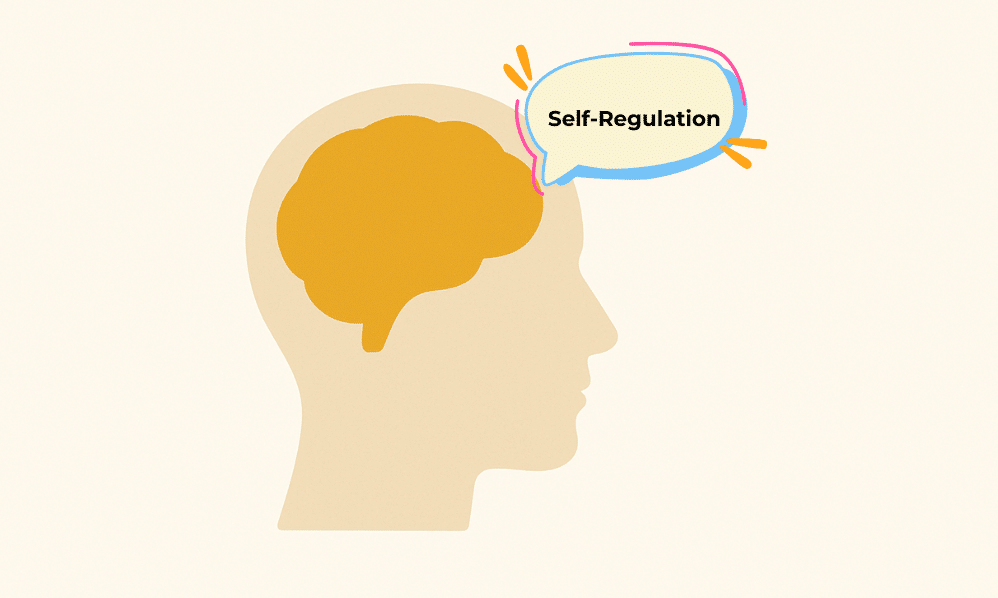
The ability to self-regulate, recognizing when your energy or emotions are out of balance and knowing how to bring yourself back—is the real foundation of personal growth. It’s what separates those who build sustainable success from those who burn out chasing it.
Self-regulation doesn’t mean avoiding discomfort; it means meeting stress in a way that keeps you connected to yourself. That might look like pausing before reacting, taking a few deep breaths to reset your body, or checking in with how your environment is affecting your energy. Over time, these small acts create a baseline of safety that allows motivation to return naturally.
Reframing Productivity and Success
In a world obsessed with output, we’ve forgotten that our internal state determines our external results. Productivity isn’t about doing more, it’s about doing from a place of coherence. A well-regulated person can accomplish more in two focused hours than a stressed, distracted person can in an entire day.
This shift also applies to relationships and leadership. When we are regulated, we listen better, communicate more clearly, and make decisions from a grounded place instead of reacting from fear or frustration. Emotional intelligence, the ability to understand and manage our own emotions and respond effectively to others, is an extension of nervous system regulation in action.
Practical Tools for Everyday Regulation
- Start with awareness. Notice your body’s signals throughout the day, tight shoulders, shallow breathing, restlessness, or fatigue. These cues are early signs of stress, not failures of focus.
- Use your breath strategically. Exhale longer than you inhale to signal safety to your nervous system. Even 60 seconds of intentional breathing can shift your state.
- Move your body. Gentle movement like walking, stretching, or shaking off tension helps release stored stress and reconnects you to the present moment.
- Create micro-recoveries. Instead of waiting for a weekend or vacation to rest, integrate short moments of restoration between tasks. Stand up, step outside, or close your eyes for a minute.
- Reconnect to purpose. Motivation thrives on meaning. Regularly reflect on why you’re doing what you’re doing—not in terms of achievement, but alignment.
How This Applies to Money, Health, and Entrepreneurship
In finance, regulation translates to better decision-making. When stress hijacks the nervous system, fear-driven spending, impulsive choices, or scarcity thinking can take over. A regulated state supports long-term planning and a balanced perspective on risk and reward.
In health, self-regulation determines consistency. Many people abandon healthy habits not because they lack discipline, but because their nervous system associates change with stress. By introducing habits slowly and gently, with compassion instead of criticism, the body begins to feel safe enough to maintain them.
In entrepreneurship, regulation is the edge. Business ownership brings inevitable uncertainty, and founders who can stay steady through fluctuations are more likely to sustain innovation and lead with clarity. The ability to pause, breathe, and reassess during moments of pressure prevents reactive decisions that could cost time, money, and trust.
From Survival to Sustainable Growth
The future of personal development lies not in doing more, but in doing with awareness. Motivation built on stress always collapses under its own weight. Motivation built on regulation, on the other hand, is renewable, it adapts, flows, and evolves.
When you learn to work with your body instead of against it, discipline becomes effortless, creativity expands, and growth stops feeling like a fight. The goal isn’t to push harder; it’s to build the internal safety that allows you to keep showing up, again and again, from a place of strength.
In the end, lasting motivation doesn’t come from mastering time, habits, or willpower—it comes from mastering the art of feeling safe enough to fully live your life. Related: How to stay motivated

Karen Canham is a Board-Certified Wellness Practitioner and founder of Karen Ann Wellness, where she helps individuals and organizations move from stress and reactivity to regulation, clear, confident and connected. Learn more at karenannwellness.com