Personal transformation and self-growth matter now more than ever in our fast-paced, modern world. And one of the simplest ways to grow is by reading—especially books in the self-help and personal development space, including timeless classics like The Habits of Highly Effective People and other impactful reads featured in our top 20 books to become successful in life. These books are written with one purpose: to help you take charge of your life, break through challenges, and step into your full potential. From ancient wisdom to today’s bestselling titles, this genre covers everything from emotional intelligence and mental health to money, relationships, and creating a meaningful life. It’s no surprise that many of these books have shaped generations of readers and continue to inspire millions worldwide.
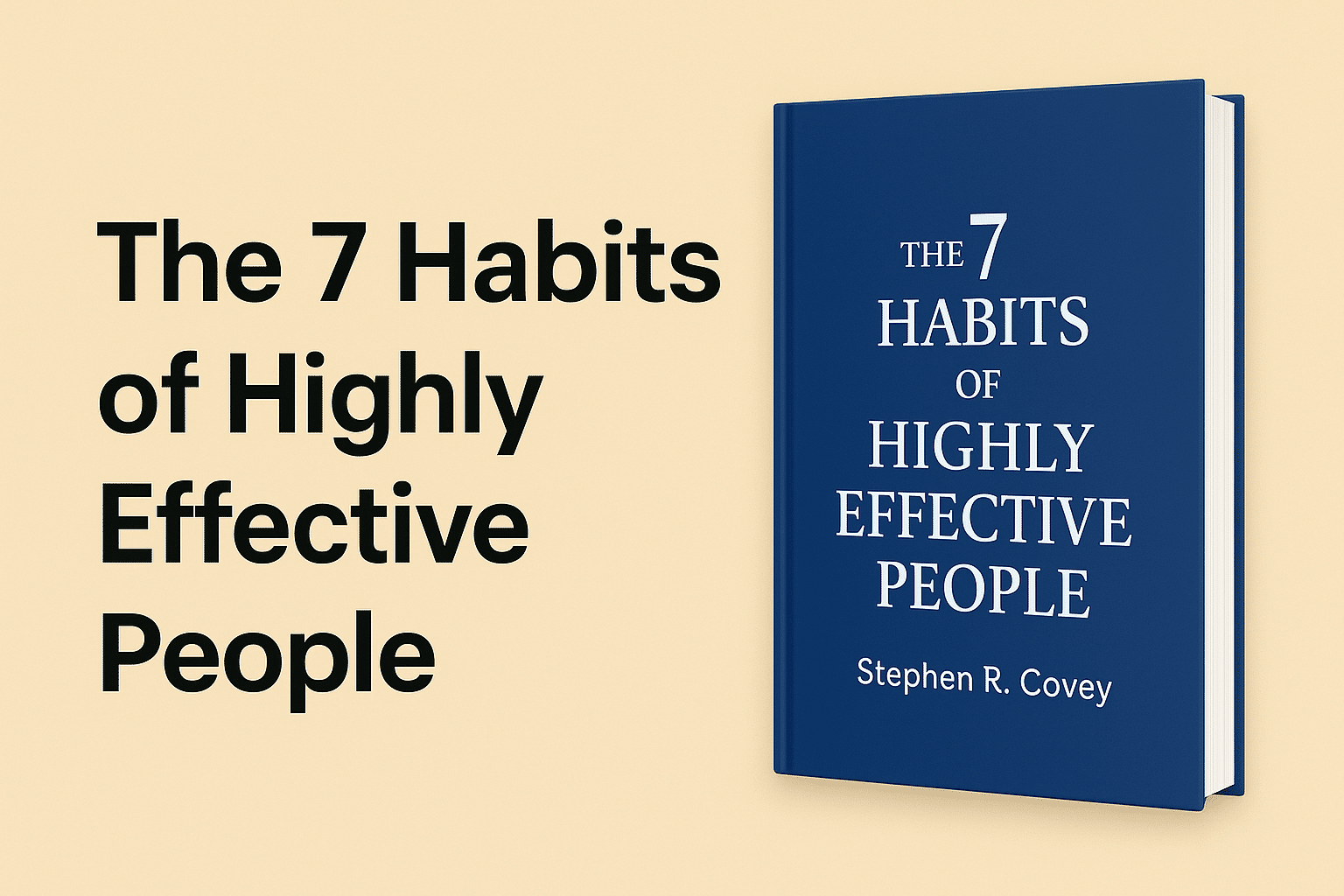
Among the most influential is Stephen R. Covey’s The 7 Habits of Highly Effective People. When it was first published in 1989, it completely changed the way people thought about personal growth. Today, it remains a go-to guide for anyone wanting to improve both personally and professionally. What makes Covey’s book so powerful is that it isn’t just a list of tips—it’s a thoughtful, principle-centered roadmap for becoming the kind of person who naturally creates success from the inside out.
The 7 Habits of Highly Effective People
1) Be Proactive
Covey opens The 7 Habits of Highly Effective People with the idea of being proactive—taking responsibility for your life instead of letting circumstances dictate your actions. Proactive people understand that their choices, not their conditions, shape who they become.
This habit encourages you to focus on what you can control: your mindset, your reactions, and your daily decisions. Covey also introduces the Circle of Influence and Circle of Concern, reminding readers that growth begins when you place your energy where it truly matters.
2) Begin with the End in Mind
The second habit is all about having a clear vision for your life. Covey explains that highly effective people know what they value and what they want to achieve, and they use that clarity to guide their decisions.
A key part of this habit is creating a personal mission statement—a simple but powerful tool that acts as your compass. It helps you stay aligned with your purpose and encourages you to think intentionally about the legacy you want to leave behind.
3) Put First Things First
This habit takes your vision and turns it into action. Covey emphasizes prioritizing what truly matters rather than getting caught up in constant urgency.
He introduces the Time Management Matrix, which helps you focus on important long-term tasks instead of always reacting to last-minute stress. By staying intentional and organized, you ensure that your daily actions support your bigger life goals.
4) Think Win-Win
Habit four explores an abundance mindset—believing there’s enough success for everyone. Covey encourages building relationships where all parties benefit, creating trust, respect, and mutual growth.
A win-win mindset rejects competition and fear. Instead, it promotes cooperation and shared success. Covey also highlights the importance of character traits like integrity, maturity, and an abundance mentality to make win-win outcomes possible.
5) Seek First to Understand, Then to Be Understood
Effective communication begins with listening. Covey stresses that most people listen only to reply, not to understand—and that’s why misunderstandings happen.
By practicing empathetic listening, you create deeper connections and resolve issues more thoughtfully. Once others feel heard, they’re more open to your perspective as well, making communication smoother and more meaningful.
6) Synergize
Synergy is where teamwork becomes transformative. Covey describes synergy as the magic that happens when people combine strengths, respect differences, and work together creatively.
When individuals bring unique ideas and perspectives to the table, solutions become richer and more innovative than anything a person could achieve alone. This habit encourages curiosity, collaboration, and openness to new possibilities.
7) Sharpen the Saw
The final habit in The 7 Habits of Highly Effective People focuses on renewal and self-care. Covey explains that to stay effective, you must continuously invest in four key areas: physical, mental, social/emotional, and spiritual.
By taking time to rest, learn, reflect, and grow, you maintain balance and resilience. This habit ensures that you stay energized and capable of handling challenges with clarity and strength.
Strength of the book
One of the biggest strengths of The 7 Habits of Highly Effective People is its timeless, principle-centered approach. Covey’s ideas are grounded in universal values and practical ethics, which makes the book relevant across cultures, generations, and different stages of life. Its structured framework moves naturally from personal effectiveness to interpersonal growth, giving readers a clear path to follow.
Another major strength is the inclusion of reflective exercises and self-assessment tools. These prompts encourage readers to slow down, participate actively, and truly apply what they learn—turning the book from simple reading material into a guided journey of self-improvement.
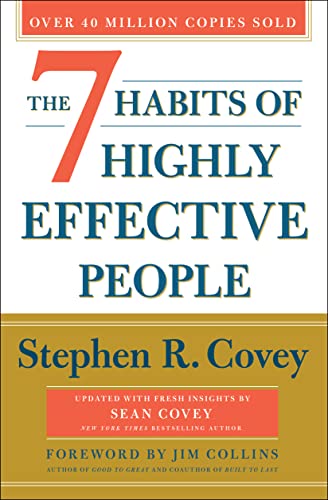

Of course, like any influential work, The 7 Habits of Highly Effective People has its critiques. Some readers may find its depth overwhelming, as Covey dives deeply into each habit and the principles behind them. The book does require time, attention, and a willingness to engage in honest self-reflection, which may feel demanding for those looking for a lighter or faster read.
Even with those challenges, The 7 Habits of Highly Effective People remains a transformative and highly respected guide to both personal and professional growth. Covey’s principle-centered approach offers timeless wisdom and practical strategies that help people create a proactive mindset, improve relationships, and grow consistently over time.
For anyone striving to be more effective and live a more fulfilling life, this book continues to be an invaluable resource. Its long-standing popularity shows just how impactful and relevant it still is in today’s fast-paced world. For readers willing to invest their time and effort, Covey’s work offers a powerful path toward personal mastery, balance, and a more meaningful life.
Frequently Asked Questions
What is The 7 Habits of Highly Effective People about?
The 7 Habits of Highly Effective People is a self-help book by Stephen R. Covey that outlines seven core habits that can help individuals achieve personal and professional effectiveness. The book emphasizes character development, time management, and proactive decision-making.
Who is Stephen R. Covey?
Stephen R. Covey was a renowned author, educator, and motivational speaker, best known for his work on leadership, personal development, and effectiveness. His teachings focus on principle-centered approaches to life and work.
What are the seven habits?
The seven habits are:
Be Proactive, Begin with the End in Mind, Put First Things First, Think Win-Win, Seek First to Understand, Synergize, Sharpen the Saw.
How can these habits improve my life?
Applying these habits can help you become more organized, focused, and proactive. They improve decision-making, relationships, and overall productivity, helping you achieve personal and professional goals more effectively.
Can these habits be applied in the workplace?
Absolutely. Many professionals use these habits to enhance leadership skills, teamwork, and time management. Organizations often adopt Covey’s principles to improve corporate culture and productivity.
Where can I find the book?
You can find The 7 Habits of Highly Effective People at major bookstores, online retailers, or as an audiobook. For those interested in learning even more, exploring related resources on personal development can complement the book’s teachings.

Ankita holds a Ph.D. in Biotechnology and contributes to Stunning Motivation as a Writer and Editor, where she explores the intersection of science, psychology, and personal growth. Her articles focus on mindfulness, motivation, mental health, and productivity, helping readers apply evidence-based insights to live with clarity and purpose. She is currently finishing two books — one on Biotechnology and another on the Goal Setting Formula.
- Dr Ankita S

- Dr Ankita S
- Dr Ankita S
- Dr Ankita S